
New health humanities minor highlights the importance of human stories in health care

Stephanie Yantz (Arnold), iStock.com/Ciana Imagens (sculpture), Patty Brito/Unsplash (stethoscope), LightField Studios and Katie Sipek/UCLA College (drawing)
Professor Whitney Arnold (at center in top left photo) said the new minor will challenge students from all disciplines to think about health in contexts inside and outside of the clinic or lab.
| March 10, 2026
Throughout his childhood in Northern California, Cooper Steffensen observed the challenges his Spanish-speaking caretaker faced to secure health care — the language barrier often made it difficult for her to communicate with doctors, schedule appointments and feel comfortable in clinical settings.
“It made me realize that health does not exist in a bubble,” said Steffensen, a second-year pre-public health major. “If we want to help and heal others, we have to start with their stories.”
Beginning in the fall of 2026, the UCLA Department of Comparative Literature will offer a health humanities minor. Students like Steffensen will have the opportunity to explore how medicine is molded by social interactions, and the creative ways in which people have both represented and coped with their conditions.
“Health humanities is an important interdisciplinary field for all who care and want to learn about the human condition, including pre-health majors and future health care professionals,” said Alexandra Minna Stern, dean of the UCLA College Humanities Division. (Stern has taught a health humanities class of her own: In 2024, she led an undergraduate English seminar called “Narratives: Bodies/Health/Illnesses.”)
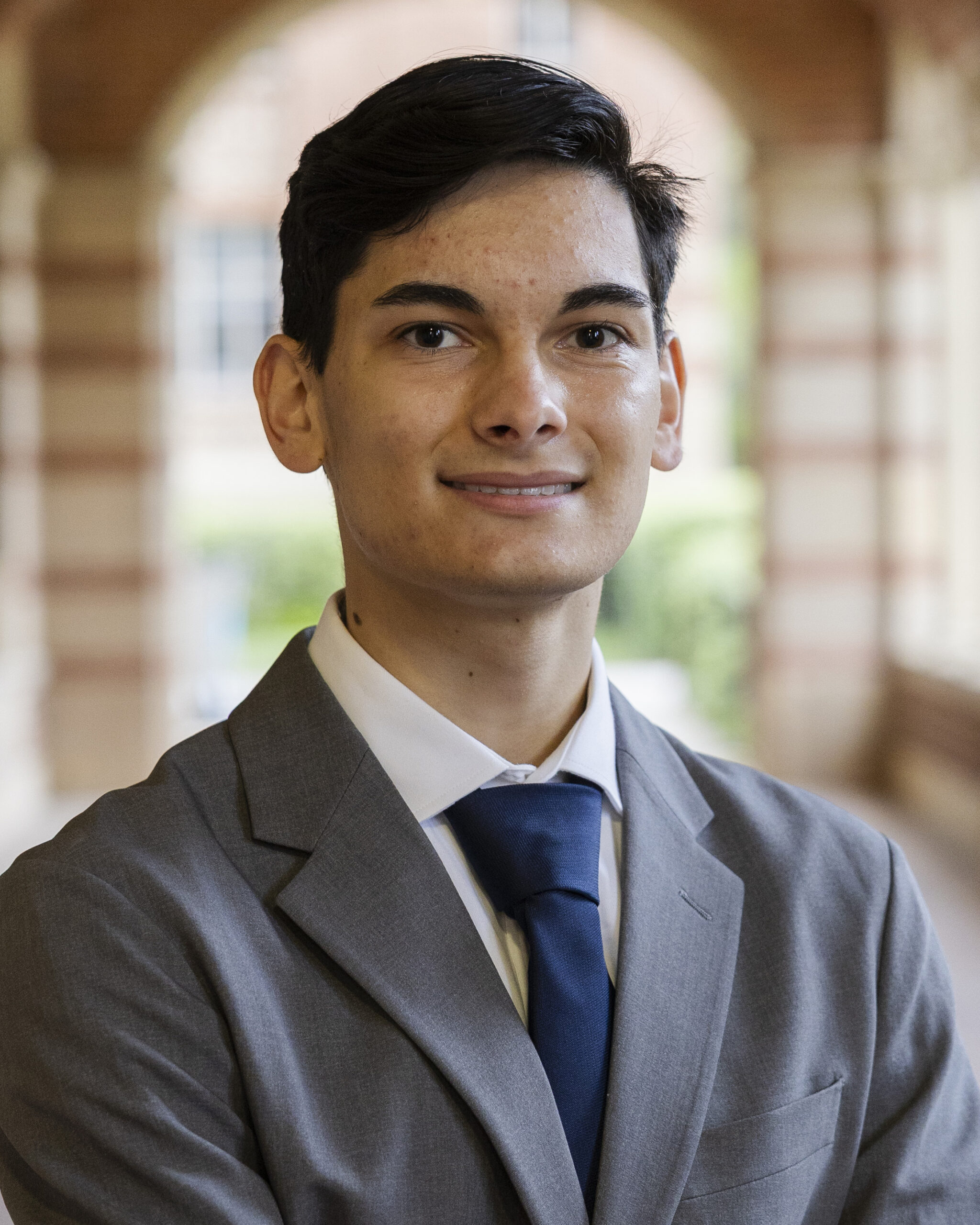
Cooper Steffensen
For students interested in attending medical school or bioscience graduate programs, minoring in health humanities can give their application a unique and competitive edge. But students from a wide range of majors have demonstrated strong interest in health humanities and the concrete benefits it offers, thanks to its emphasis on critical thinking and research skills and because it draws material from across literatures, languages, cultures and historical contexts.
“This is a field that challenges students from across disciplines to think about health both with and outside of the clinic or laboratory,” said Whitney Arnold, an assistant professor of comparative literature and medicine who chaired the committee that created the minor. “And UCLA is an exciting place to study health humanities.”
Steffensen, an aspiring physician, said health humanities classes have already proven valuable by bringing a humanistic perspective to his data-intensive public health studies.
In the fall of 2024, he took the popular lower-division comparative literature course “Intro to Health Humanities” (COM LIT 1H), which will be a requirement for the new minor. Steffensen was struck by elements of the course readings and his course-related research project: for example, how Mary Shelley’s “Frankenstein” illuminated themes of alienation, and how Lisa Genova represented the progression of Alzheimer’s disease through vague diction in “Still Alice.”
He said both books helped him better appreciate “the relationship between storytelling and health.”
As an aspiring physician, Steffensen said he believes questions raised by his health humanities classes are likely to inform his future work as a clinician.
“I know that if I go into the medical field, health humanities will be on my mind,” he said. “I’m going to think about questions like, What happened to this person before they came in to see me? What happens afterwards that will impact their health? And what can I do best to account for those issues?”
Grace Wang, a second-year student majoring in neuroscience, biology and comparative literature, plans to enroll for the new minor. She began learning about the importance of narrative in health care before she even arrived at UCLA.
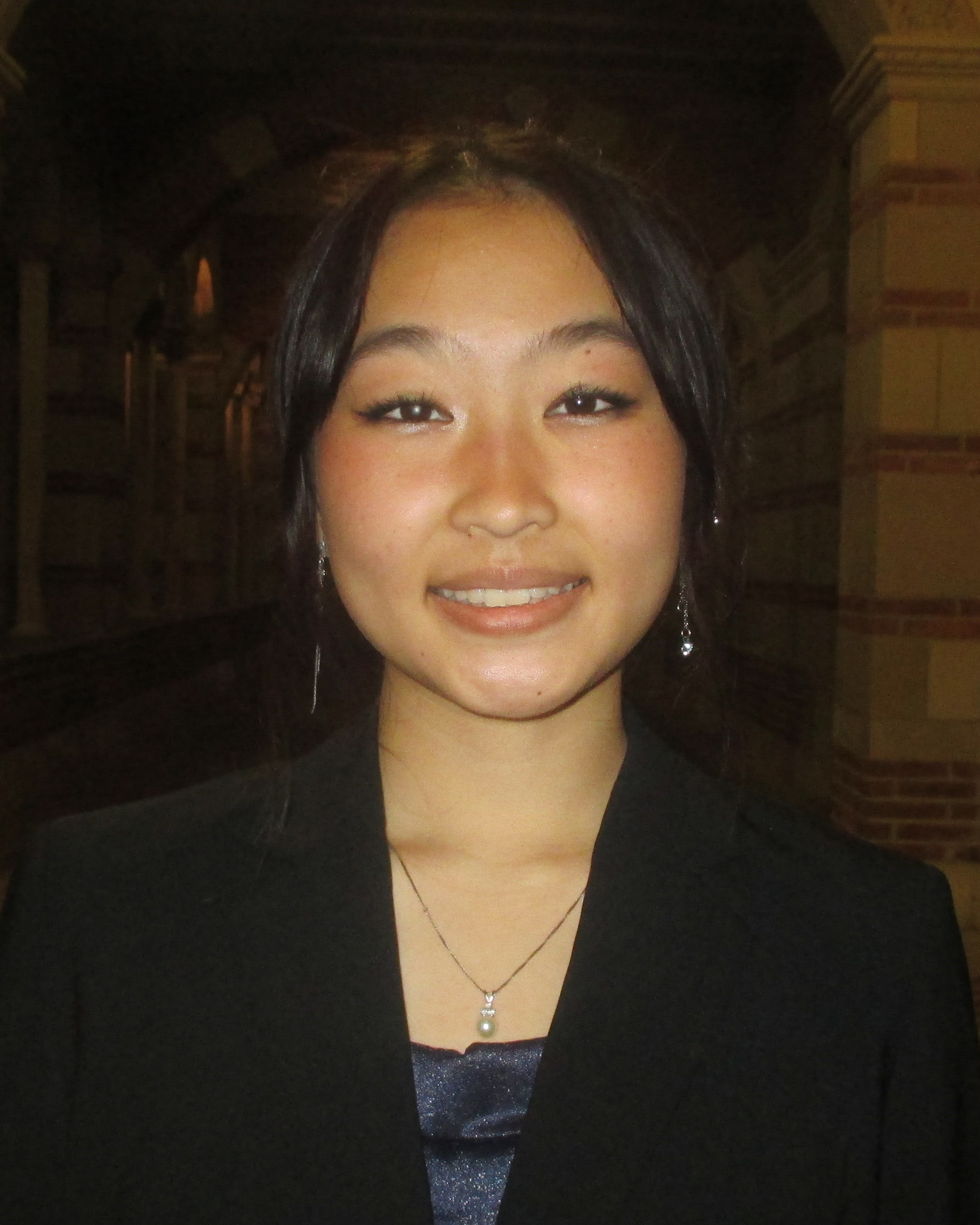
Grace Wang
As a high school sophomore, Wang volunteered at the UC Irvine School of Medicine Medical Humanities and Arts Program. Her work with medical students gave her the opportunity to review patients’ case notes, which contained personal insights that went beyond diagnostic data. The experience piqued her interest in studying doctor–patient dynamics.
So it’s no wonder that “Death in Literature,” COM LIT 180, has been one of Wang’s favorite courses. On the first day of class, Gideon Manning, a visiting associate professor of philosophy, spoke about how his experience visiting a bereavement center during medical school reoriented his view of death.
“Medical students, and even physicians, struggle to talk about death with patient families, and the class really focuses on this issue,” Wang said. “How do we make dying and death better? What is the ideal death and what role do we play as family members, but also as health care providers? I think that is also a very important application of the health humanities.”
The minor’s varied course options will also include seminars like “Literature and Madness” (COM LIT 183) and “Film on the Brain” (COM LIT 107). It will also offer options in upper-division electives across 42 different academic departments – bringing together students from north and south campus.
“It’s really exciting and promising to see the amount of enthusiasm — from faculty and students alike — for the new minor,” Arnold said. “So many people are recognizing the importance of examining these questions of health.”
Related: The birth of (Re)Defining Health