
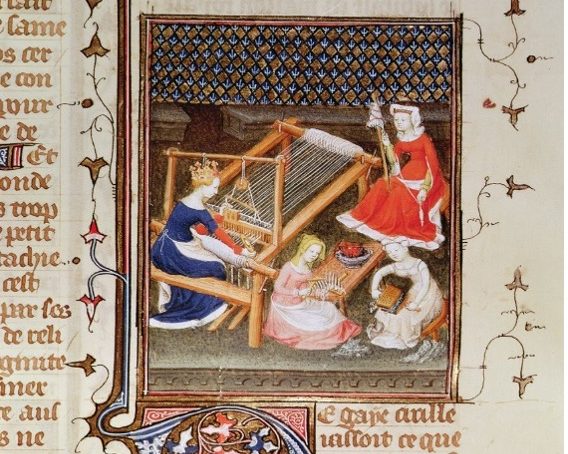
To mark 650 years since Boccaccio’s death, a conference on Boccaccio’s Other Wor(l)ds invites exploration of Boccaccio’s “Other Words” and “Other Worlds.” Boccaccio’s narratives—not limited to the Decameron—vividly depict cultural and intellectual exchanges, emphasizing human behavior, morality, and societal complexities across the Mediterranean and beyond, including Cathay. In the Decameron, the Levant serves as a crucial geographical and cultural reference, highlighting its role as a crossroads of commerce, religion, and cultural interaction. For instance, Nathan’s house in Decameron X.3 is described as being situated at the crossroads “from the West eastward, or from the East westward.” Similarly, in Genealogy of the Pagan Gods, Boccaccio extols the invention...