
‘What happens in the present influences how we remember the past’
Newly minted Ph.D. Jennifer Noji on the importance and impact of memory studies
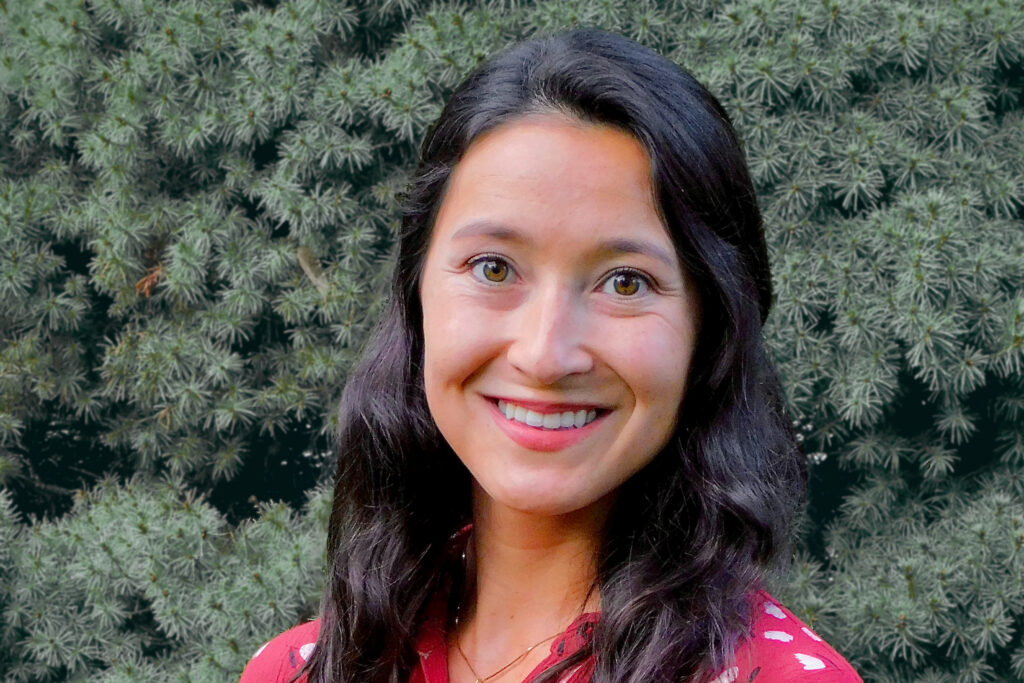
Courtesy of Jennifer Noji
Jennifer Noji received her doctorate in comparative literature in June.
| September 2, 2025
In a new episode of the UCLA College podcast “Tell Us What You Know,” Jennifer Noji is one of three Bruin scholars who speak about the unique ways in which their specific research focus sheds light on the human mind.
The podcast also features discussions with Adriana Galván, a neuroscientist and the dean of the UCLA Division of Undergraduate Education, and Pablo Alvarez, who recently earned a doctorate in molecular biology. (Listen to the full episode on Spotify.)
Noji, who completed her doctorate in comparative literature in June, is now the senior development and communications manager at Densho, a Seattle nonprofit that documents testimonies from Japanese Americans who were unjustly incarcerated during World War II. At UCLA, she studied how people’s memories of historical violence shape their perception of contemporary events.
In this excerpt from her interview, Noji explains the driving forces and real-world applications of her research.
How would you describe the heart of your work?
My work in cultural memory studies is dedicated to understanding how the past and present are intimately connected. While we can all agree that what happens in the past affects the present, it is equally important to acknowledge that what happens in the present influences how we remember the past.
For example, public debates over monuments or history textbooks reveal how present-day values, politics and social movements shape which histories are remembered, which are silenced and how they are interpreted.
My research investigates how people — both individuals and groups — draw on memories of historical violence and resistance in order to challenge what they see as similar events taking place now. For instance, I’ve written about how contemporary Japanese American activists mobilize memories of their community’s World War II incarceration experiences in order to protest migrant detention and family separation happening today.
Through their activism, these Japanese Americans not only call attention to largely overlooked memories of past violence, but they also help expand our understanding of present-day injustice, ultimately highlighting larger patterns of violence throughout our nation’s history.
What’s one insight from your research on cultural memory that helps us understand how the mind is shaped by — and shapes — the world around us?
That’s a great question and distinction. While I don’t research “the brain,” strictly speaking, my work helps illuminate how what happens inside the mind is connected to everything happening outside of it, including the relationships we build, the environments we occupy and the events we experience, as well as the books and media we consume.
It goes without saying that all of us — including our brains, our memories, thoughts and feelings — are actively shaped by our environments, and yet we also shape those environments.
My work in cultural memory studies reminds me that the mind — like a person — is not isolated, but profoundly intertwined with the world around it.
This article appeared in the 2025 UCLA College Magazine, “State of Mind.” Read the full issue here.